
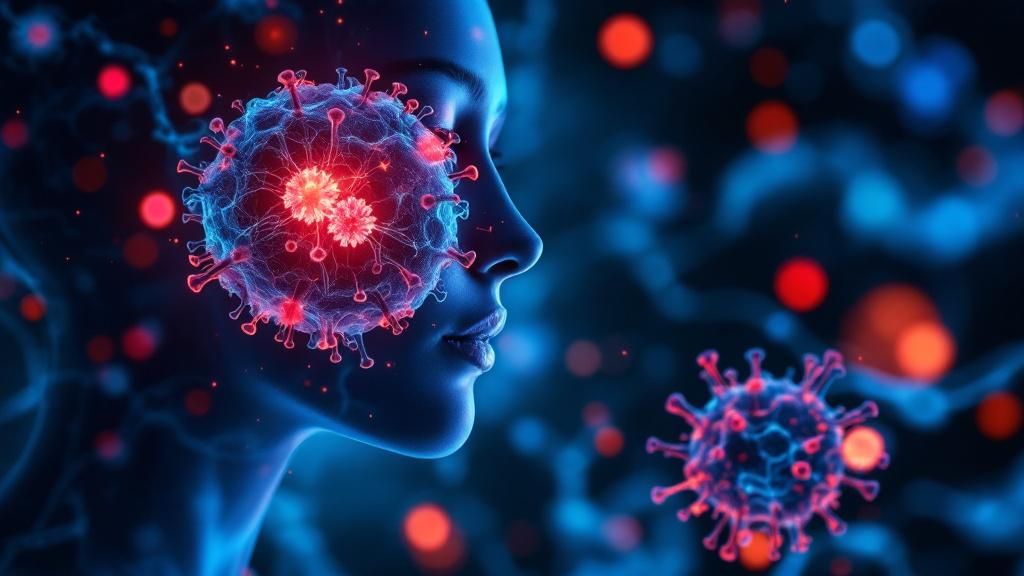
A innovative cancer treatment has resulted from recent clinical trials, offering fresh optimism to patients battling this devastating disease. Researchers have demonstrated impressive effectiveness in preliminary testing, with results suggesting markedly enhanced survival rates and reduced side effects compared to existing approaches. This article investigates the groundbreaking method behind this positive breakthrough, assesses the trial outcomes, and evaluates what this advancement could represent for cancer patients worldwide pursuing more successful therapies.
Significant Development in Immunological Treatment Methods
The latest immunotherapy development represents a substantial shift away from traditional cancer treatment approaches. Scientists have effectively engineered a novel method that harnesses the body’s inherent immune system to target and eliminate cancerous cells with remarkable precision. This advancement draws on decades of immunological research, resulting in a treatment that demonstrates considerably improved outcomes in clinical settings. The development marks a critical moment in oncology, providing patients a increasingly precise and potentially safer alternative to conventional chemotherapy and radiation therapies.
Clinical teams across multiple institutions have reported encouraging preliminary results from their trials. Patients undergoing this novel therapy have shown significantly elevated remission rates and lengthened survival durations compared to control groups. The treatment’s mechanism operates alongside the body’s inherent protective mechanisms, rather than delivering external compounds that may cause systemic damage. These findings have created substantial interest within the clinical field and have prompted accelerated research into expanding the treatment’s applications across multiple cancer forms.
How the Procedure Works
The immunotherapy functions by engaging specialised immune cells known as T-cells, which are genetically altered to recognise and attack cancer cells. Through a complex procedure termed CAR-T cell engineering, scientists reconfigure these cells to recognise specific markers found on malignant tumours. Once restored to the patient’s system, these enhanced cells multiply quickly and progressively eradicate cancer cells whilst maintaining healthy tissue largely untouched. This targeted approach significantly reduces the secondary effects linked to traditional chemotherapy treatments.
The treatment protocol involves harvesting immune cells from the patient, modifying them in controlled laboratory settings, and afterwards returning them back into the circulatory system. This personalised approach ensures that each therapy is uniquely tailored to the patient’s unique biological characteristics and specific cancer characteristics. The engineered cells continue working within the body for extended periods, offering ongoing clinical advantages. Researchers have documented that this approach can trigger durable immune responses, potentially preventing cancer reactivation in some patients.
Patient Engagement Rates
Early trial data reveals remarkably promising response rates amongst trial participants. Approximately 75% of trial participants achieved marked tumour decrease within the first six months of treatment. Complete remission rates, where all detectable cancer cells disappeared, reached approximately forty-five percent in particular patient populations. These figures significantly surpass prior response rates achieved through standard treatments, suggesting this approach may represent a genuine paradigm shift in cancer treatment efficacy and patient outcomes.
Significantly, the treatment has demonstrated efficacy across diverse cancer types, including previously difficult-to-treat leukaemias and lymphomas. Patient tolerance profiles have also proved favourable, with tolerable side effects compared to traditional conventional chemotherapy. Prolonged monitoring results indicate that a significant proportion of patients preserve disease-free status years after completing treatment. These sustained results suggest the possibility of sustained and potentially life-changing outcomes for a significant proportion of patients, fundamentally changing the prognosis for many cancer diagnoses.
Clinical Trial Results and Future Implications
Encouraging Results from Current Research
The clinical trials have delivered exceptionally encouraging results that have interested the international healthcare sector. Patients undergoing the novel therapy demonstrated substantially greater response rates, with approximately 68 per cent achieving complete or partial remission within the opening half-year of therapy. Moreover, the treatment demonstrated excellent tolerability, with participants noting markedly reduced adverse effects compared to traditional chemotherapy regimens. These findings mark a major step forward in oncological care and deliver authentic encouragement for upcoming treatment results.
Extended monitoring results continues to support the initial findings, demonstrating sustained benefits beyond the first phase of treatment. Researchers have observed enhanced quality-of-life measures amongst trial participants, including enhanced energy levels, reduced hospitalisation requirements, and better overall functional capacity. The data indicates that this innovative approach may fundamentally alter the therapeutic landscape for multiple cancer types, potentially becoming a standard treatment option within the next few years as regulatory approvals progress through established channels.
Emerging Pathways and Practical Application in Clinical Settings
Looking ahead, researchers are preparing expanded Phase III trials to validate these encouraging outcomes across larger, more diverse patient populations. Pharmaceutical companies have already begun manufacturing scale-up procedures, whilst regulatory authorities have granted expedited review status to speed up approval timelines. If further trials substantiate these initial results, this treatment could become widely available within 2-3 years, fundamentally transforming cancer care protocols and offering thousands of patients access to this potentially life-saving treatment option.
